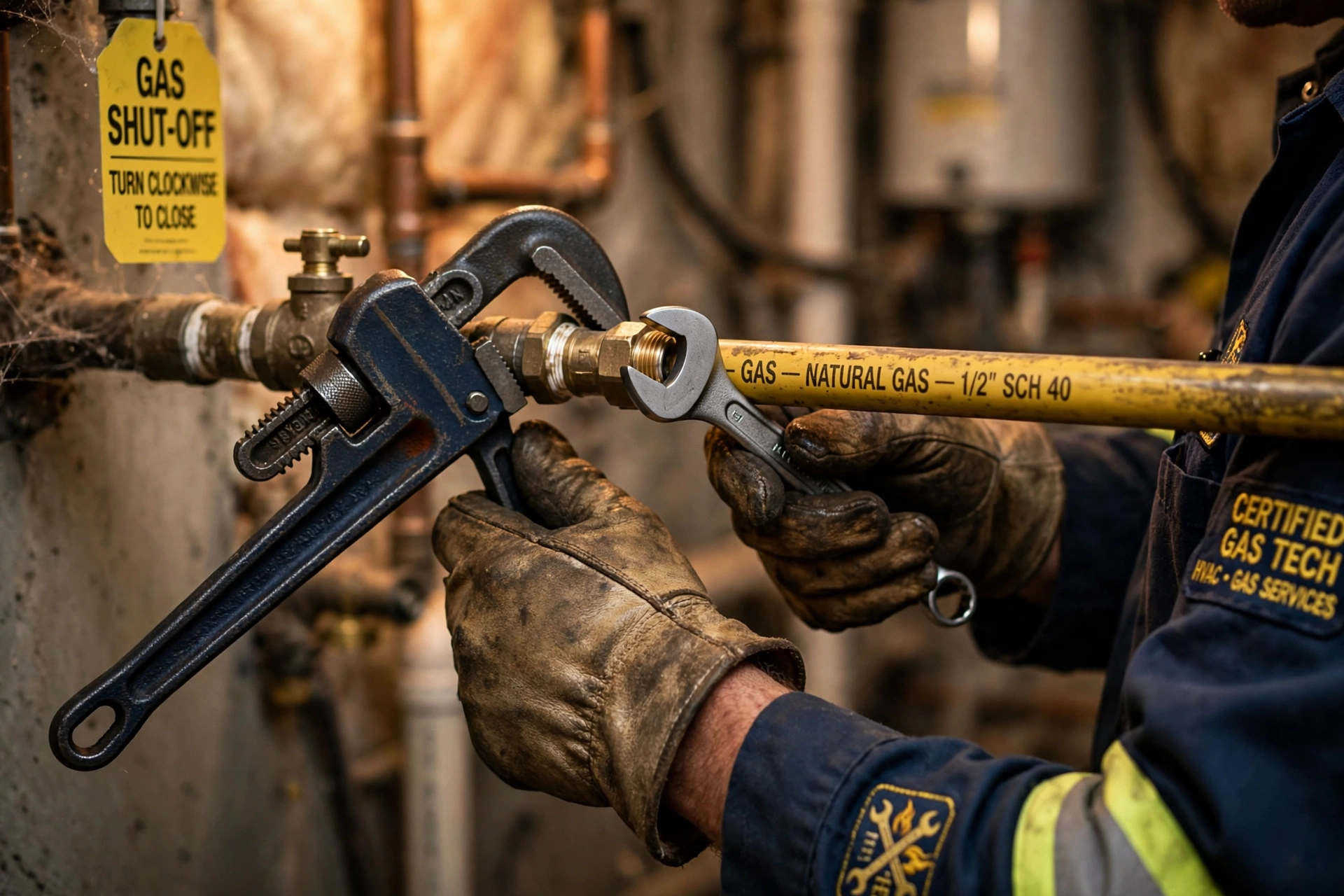
Gas Line Repair Leander TX
From Crystal Falls to Old Town Leander, Gas Line Repair Leander TX does the gas line work that keeps homes and businesses running safely. We shape every repair, installation, and inspection around what actually wears gas lines down here: Hill Country limestone and caliche that turn every trench into a fight, expansive clay pockets that shift buried lines with each wet-dry cycle, long hot summers that push outdoor gas equipment hard, and the occasional hard freeze that punishes exposed piping.
- Safety-first workmanship
- Upfront estimates
- Prompt scheduling
- Urgent calls welcome
Safety-first
Safety-first workmanship
Clear pricing
Upfront written estimates
Urgent response
Prompt scheduling
Free estimates
Free estimates across Leander
Homegrown
Based in Leander
Gas Line Work Engineered for Leander’s Ground
Gas Line Repair Leander TX handles repairs, installations, and inspections for homes and businesses across the city. From our base at 1789 S Bagdad Rd, we plan every job around the local forces that stress gas lines: Hill Country limestone and caliche that complicate every trench, expansive clay in parts of Williamson County that heaves after heavy rain and shrinks in dry spells, long summers that push outdoor gas equipment to its limits, and hard freezes that test exposed piping and regulators.
We serve the established streets around Old Town Leander and along Bagdad Road as well as fast-growing subdivisions like Crystal Falls and the new master-planned communities spreading toward Cedar Park and Liberty Hill. Whether yours is a 1980s ranch still running its original steel piping or a newer build on CSST, we assess the system as it stands, explain your options in plain language, and recommend only the work it genuinely needs.
Williamson
County focused
Central Texas
Climate aware
(512)
Call for a free estimate
Gas Line Services for Leander Homes & Businesses
Every service below is shaped by Central Texas realities — rocky Hill Country soil, expansive clay pockets, summer heat, hard-freeze exposure — so your gas system stays sound through every season.
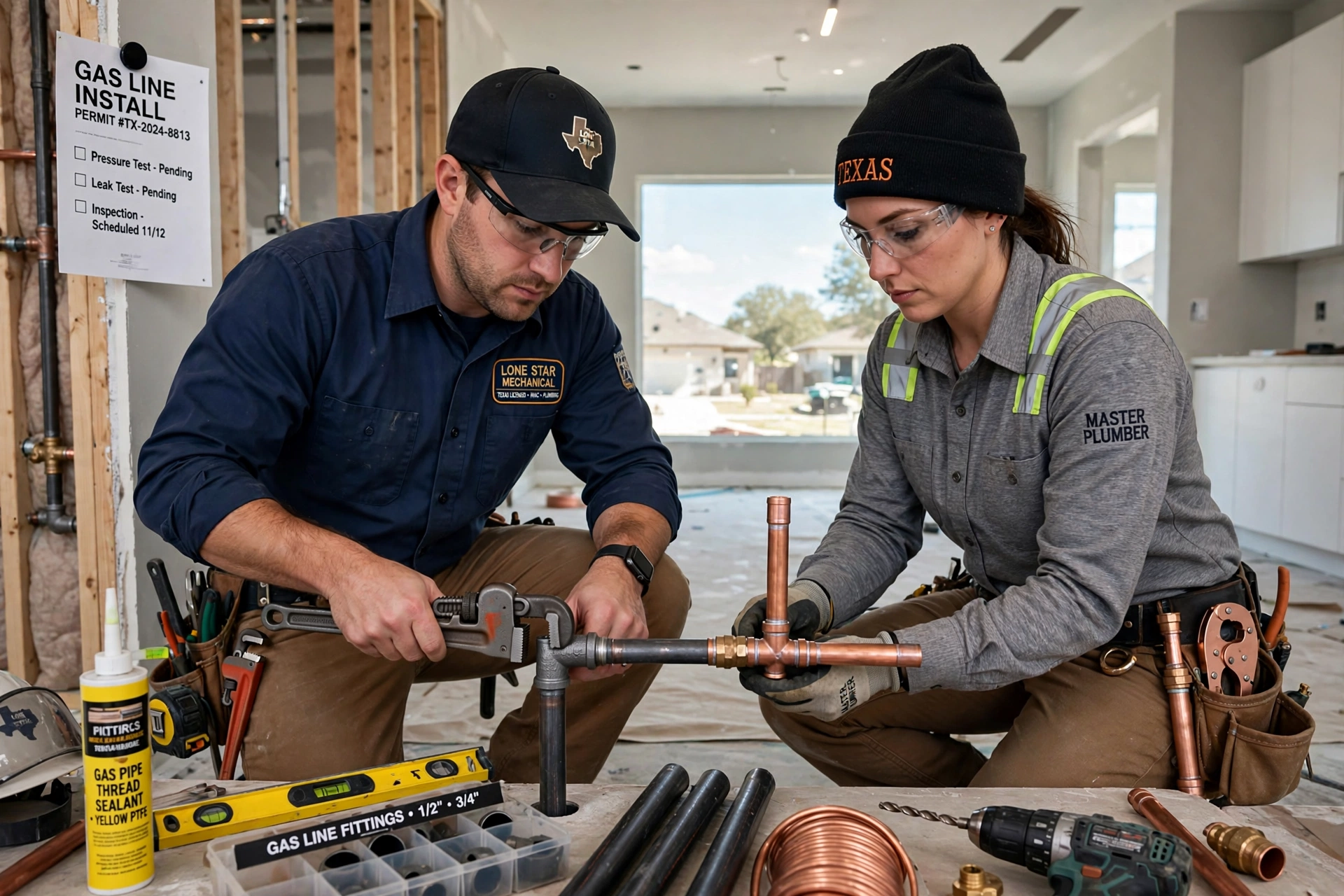
Gas Line Installation
View Details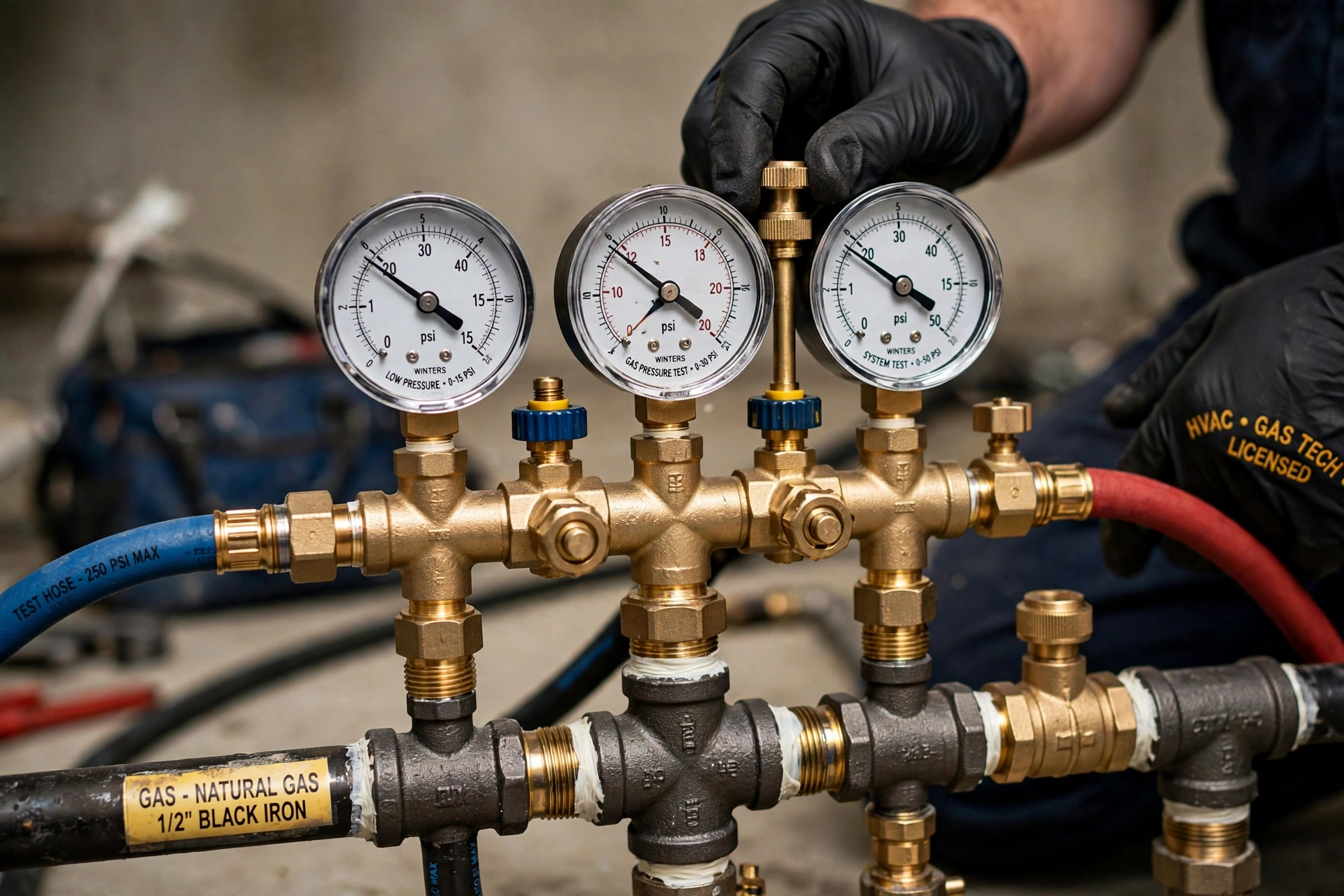
Gas Line Inspection
View Details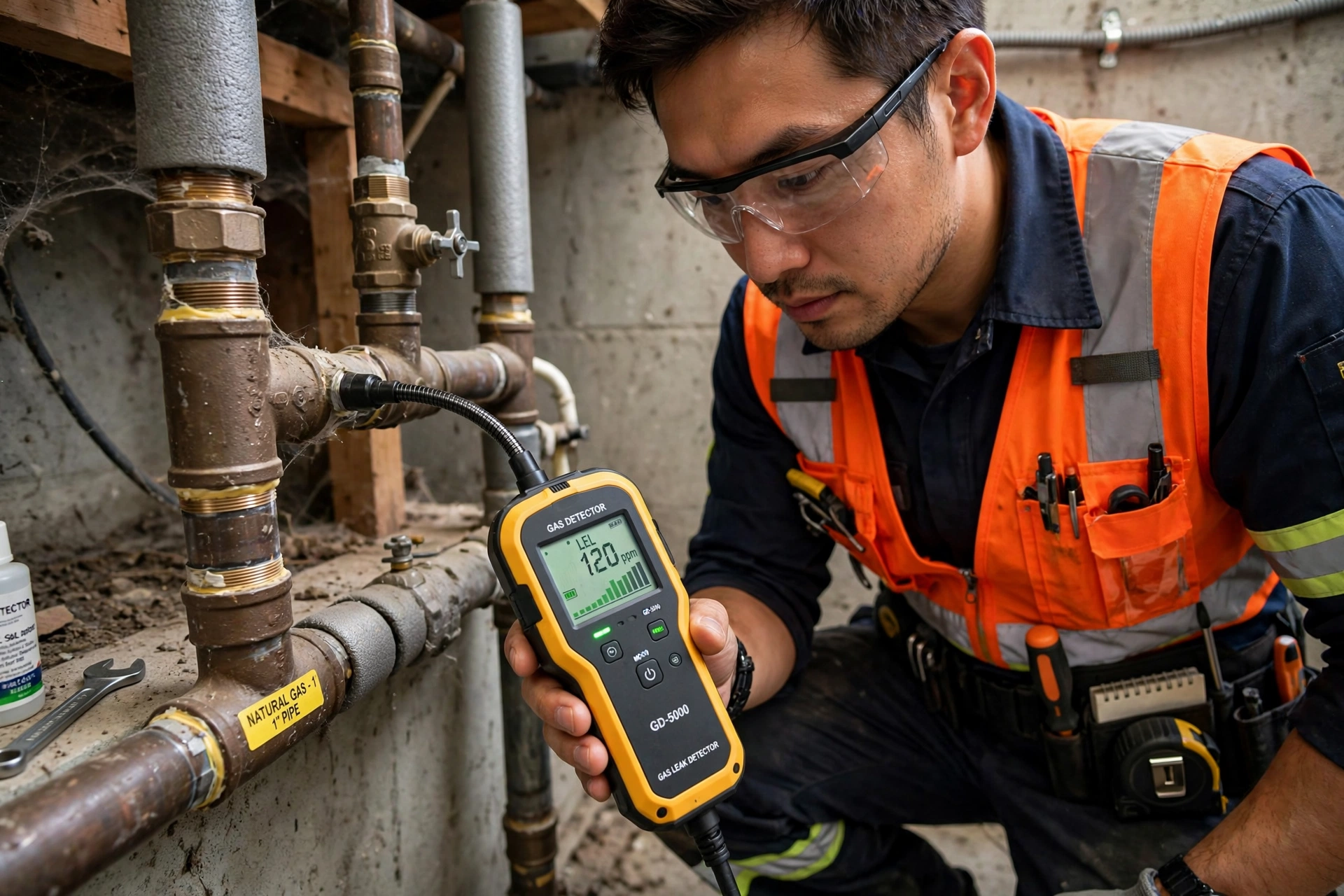
Gas Leak Detection
View Details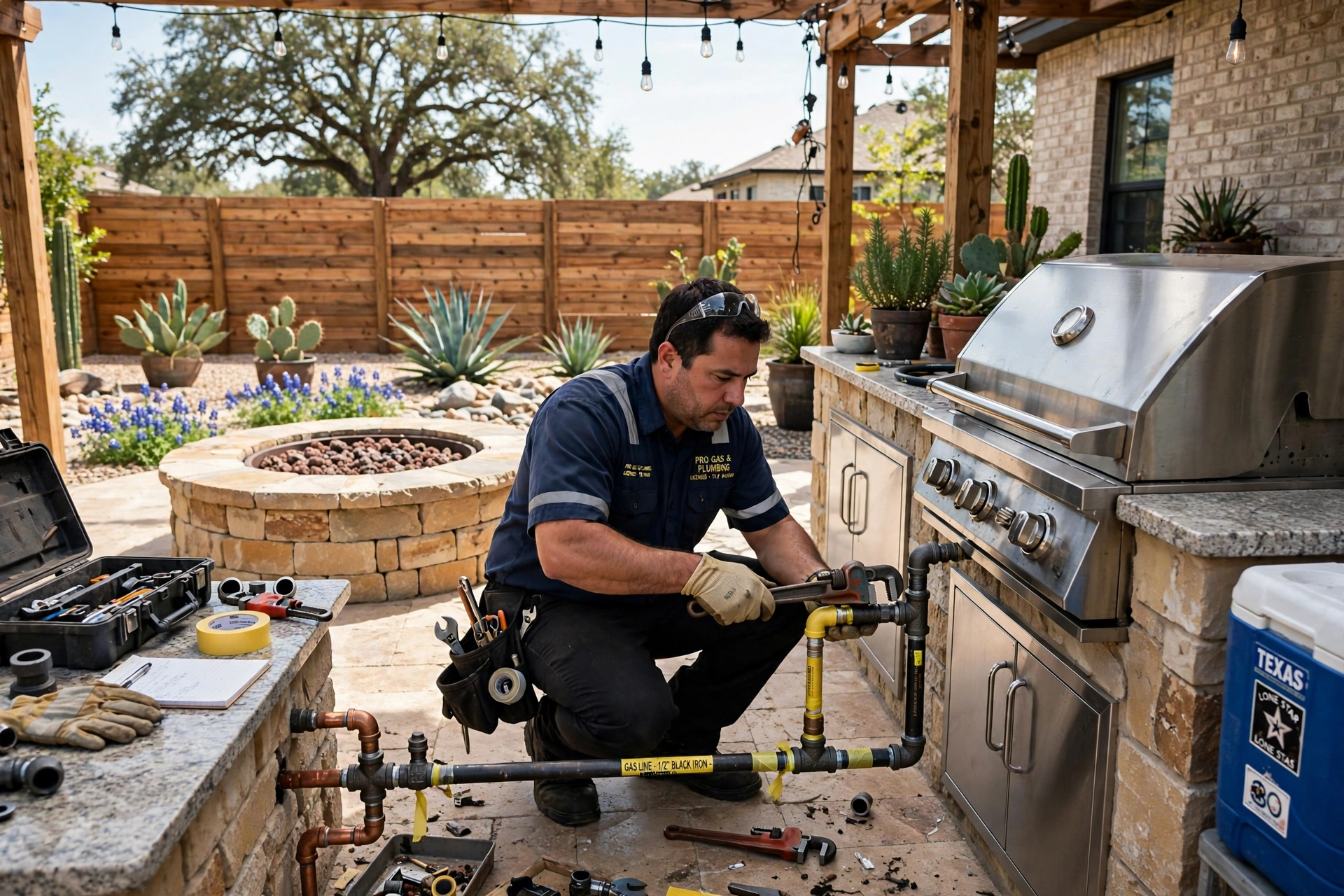
Gas Appliance Hookup
View Details
Williamson CountyLeander, TXAustin MetroCentral TexasTexasLocally Operated
Why Leander Calls Us for Gas Lines
Gas work is unforgiving, so every job runs on careful diagnostics, clear communication, and respect for your home.
-
Safety-first technicians Every gas call is a safety call first. We diagnose with electronic detection and pressure gauges, show you what we find, and lay out your options in plain terms — recommending only work the system truly needs.
-
Prompt, honest scheduling Gas problems won’t wait, and we won’t make you wait. Urgent calls from Leander get priority scheduling, and our trucks carry the detection and testing gear to diagnose most issues on the first visit.
-
Straightforward estimates You get a written estimate before work begins — what we’ll do, what it involves, and what it costs. No invoice surprises, no pressure to decide on the spot.
Free
Written estimates on every gas line job — no obligation, no surprises.
How Our Estimates Work
Every property is different, so we don’t price from a menu. Here’s what each visit type typically covers — call (512) 877-2533 for a free written estimate on your specific job.
Leak Diagnosis Visit
Free estimate on every visit
- Leak assessment
- Minor leak repairs
- Safety inspection
- Written findings report
Standard Installation
Free estimate on every project
- New line installation
- Pressure testing
- Code compliance review
- Written findings report
Complete System Overhaul
Free estimate on every project
- Full system replacement
- Advanced leak detection
- Code compliance review
- Written findings report
Your Visit, Step by Step
A clear, no-guesswork process — the same in Crystal Falls, Old Town Leander, or along Bagdad Road.
01
On-site assessment
We walk the system with you, note what you’ve smelled, heard, or seen, and check the meter, visible piping, and appliance connections for first clues — including the corrosion and soil-shift patterns Williamson County’s clay and limestone produce.
02
Written estimate
You receive a written estimate spelling out what we found, what we recommend, and what it involves — before any work starts. Ask questions; we answer them straight.
03
Careful repair work
We repair or replace the affected sections with the right materials and joint methods for the job, keeping the work area clean and your home undisturbed.
04
Pressure test & walkthrough
We pressure-test the repaired piping, restore service, and walk you through what was done — including showing you your shut-off valves if you’ve never found them.
Leander’s Most Common Gas Problems
Williamson County soil and Central Texas weather create repeating patterns. These are the calls we run most.
01
Leaks at aging joints and fittings
Hill Country limestone is brutal on buried pipe, and where expansive clay overlies it, seasonal movement flexes lines until pinholes open at aging threaded joints. We trace leaks with electronic detection, replace the compromised section with properly bedded pipe, and pressure-test before restoring service.
02
Appliance connections that won’t stay tight
Dryers, ranges, and water heaters work connections loose over years of vibration and foundation movement. We refit them with proper connectors and individual shut-off valves, then verify pressure at each appliance.
03
Low pressure starving appliances
Undersized or partially blocked lines leave burners weak and water heaters slow to recover. We measure pressure at each appliance, trace the restriction or sizing problem to its source, and correct it.
What Our Customers Say
Feedback shared by our customers.
"The process was simple and straightforward. I was able to get the help I needed quickly, and communication was clear from the start."
"I appreciated how easy it was to understand the next steps. Everything was explained clearly, and getting connected for service was hassle-free."
"Fast, convenient, and easy to use. I didn't have to spend hours figuring out who to contact, which made the whole process much easier."
"A smooth experience from beginning to end. The information was clear, and I was able to move forward with my service request without unnecessary delays."
Service Area
Gas Line Coverage Across Leander & Williamson County
Prompt appointments for homes and businesses across Williamson County, including these local ZIP codes:
786417861378628
Leander Gas Line FAQs
Common questions we hear about gas line services in Leander — answered straight.
What does gas line repair cost around Leander?
It depends on the pipe material, how accessible the line is, and whether it’s a spot repair or a full replacement — rocky Hill Country soil can add real trenching work on buried lines. We provide a free written estimate on site before any work begins, so you know exactly what’s involved and what it costs.
Who installs gas lines near me in Leander?
A local gas line specialist — for Leander and nearby Williamson County communities, reach us at (512) 877-2533 for a free estimate. We’re based right here in town, not dispatched from across the metro.
What should I do if I smell gas?
Leave the area right away — don’t flip switches or use phones near the odor. From a safe distance, call 911 or your gas utility first, then call us at (512) 877-2533 so we can inspect and repair the line once the immediate danger is cleared.
How do I choose a gas line company in Leander?
Look for real local experience — a company that understands limestone trenching, clay soil movement, and Hill Country freeze exposure — plus written estimates and a clear diagnostic process. Ask how they pinpoint leaks and whether they pressure-test after every repair.
Do you offer emergency gas service in Leander?
Yes — urgent gas calls in Leander get priority scheduling. If you smell gas, leave the area first and call from a safe distance; we’ll take it from there.
Need Gas Line Help in Leander?
From urgent odor calls in Crystal Falls to outdoor kitchen gas lines near the Lake Travis area, our crew is ready. Call now for a free estimate and prompt scheduling across the Leander area.
Get in Touch
Tell us what’s going on with your gas line and we’ll get back to you promptly during business hours.
Gas Line Repair Leander TX
-
Phone
(512) 877-2533 -
Address
1789 S Bagdad Rd, Leander, TX 78641
-
Hours
Mon–Fri: 7AM – 7PM
Sat: 8AM – 4PM
Sun: Urgent calls only
Urgent calls welcome anytime
Gas Safety Basics for Leander Homeowners
Natural gas heats, cooks, and powers appliances in homes from Crystal Falls to Old Town Leander — and most days the piping behind the walls never crosses your mind. But Central Texas is rough on gas lines: Hill Country limestone and caliche punish every buried run, expansive clay shifts pipe with each wet-dry cycle, summer heat bakes exposed fittings, and hard freezes test regulators and outdoor piping. Knowing what strains your system — and what the early warnings look like — is the simplest way to protect your home.
Warning Signs Worth Acting On
A rotten-egg smell is the classic alarm — utilities add mercaptan to odorless natural gas so leaks announce themselves. Treat any gas odor as urgent: leave and call for help from a safe distance. Quieter clues count too: hissing near a meter or appliance, dead grass over a buried line, pilot lights that keep dying, or a gas bill climbing with no usage change. In our humidity, watch for rust or green corrosion blooming on exposed fittings.
What Leander’s Soil Does to Buried Lines
Much of Leander sits on Hill Country limestone capped with rocky caliche — digging here is brutal, which is why proper bedding and depth matter so much for buried gas lines. In lower-lying parts of Williamson County, expansive clay swells after Central Texas downpours and shrinks in dry stretches, and that movement never stops. Buried gas lines ride it for decades, stressing joints and opening pinhole leaks in older steel. Many local homes date to the 1980s through early 2000s, so a large share of yard lines here are 25 to 40 years old. If your home falls in that range, a professional inspection can tell you whether your line is holding up or living on borrowed time.
If You Suspect a Leak
Get out first and stay out — don’t hunt for the leak, flip switches, or start a car in the garage. From a safe distance, call 911 or your gas utility so the immediate hazard gets handled. Once the gas is off and the area is clear, a gas line specialist can run electronic leak detection and pressure testing to pinpoint the exact source, replace the damaged section, and verify the whole system holds pressure before service returns.
How Your Home’s Gas System Works
Gas reaches your home through a buried service line from the street to the meter, usually on an exterior wall. From the meter, interior piping branches to the furnace, water heater, range, dryer, and outdoor equipment like grills, fire pits, or pool heaters. Each major appliance should have its own shut-off valve so one branch can be serviced without cutting gas to the whole house — if you don’t know where yours are, ask us to point them out next visit.
Pipe Materials You’ll Find Locally
Homes built before the 2000s around Leander typically run black steel pipe — tough stuff, but threaded joints corrode over decades in our humidity, especially in attics and crawl spaces. Newer construction and remodels often use corrugated stainless steel tubing (CSST): flexible and fast to install, but it must be properly bonded to the home’s grounding system. After a hard freeze, pay extra attention to outdoor and elevated runs, which take the brunt of ice and thermal contraction — and before each summer, check the lines feeding grills, fire pits, and pool heaters that sat idle through winter.
Repair or Replace? How We Advise
One isolated leak on an otherwise healthy system is a straightforward repair. Replacement starts making sense when inspection finds corrosion at multiple joints, a line that’s already been patched more than once, or piping that no longer meets current code. It’s also the right call during a remodel, when adding a high-BTU appliance like a pool heater or outdoor kitchen, or when converting from electric to gas. A hands-on assessment weighs the system’s age, its condition, and your plans — then gives you a straight recommendation.