Frequently Asked Questions
How is commercial gas line work different from residential?
Three things: scale, code, and continuity. Commercial systems carry far larger BTU loads, which means bigger pipe, commercial meter sets, and regulators sized from actual appliance ratings. Code requirements run deeper — combustion air, shutoff accessibility, and documentation inspectors expect to see. And the work has to fit around your business: shutdowns are scheduled for off-hours and phased so your operation keeps running.
Can you do the work outside our business hours to avoid downtime?
Yes — off-hours scheduling is standard for our commercial work. Restaurants typically get overnight windows between close and morning prep; offices and retail get weekends or early mornings. You receive a written sequence before work starts showing exactly what goes offline and when it comes back, so there are no surprises for your staff or customers.
Do commercial gas projects require permits and inspections?
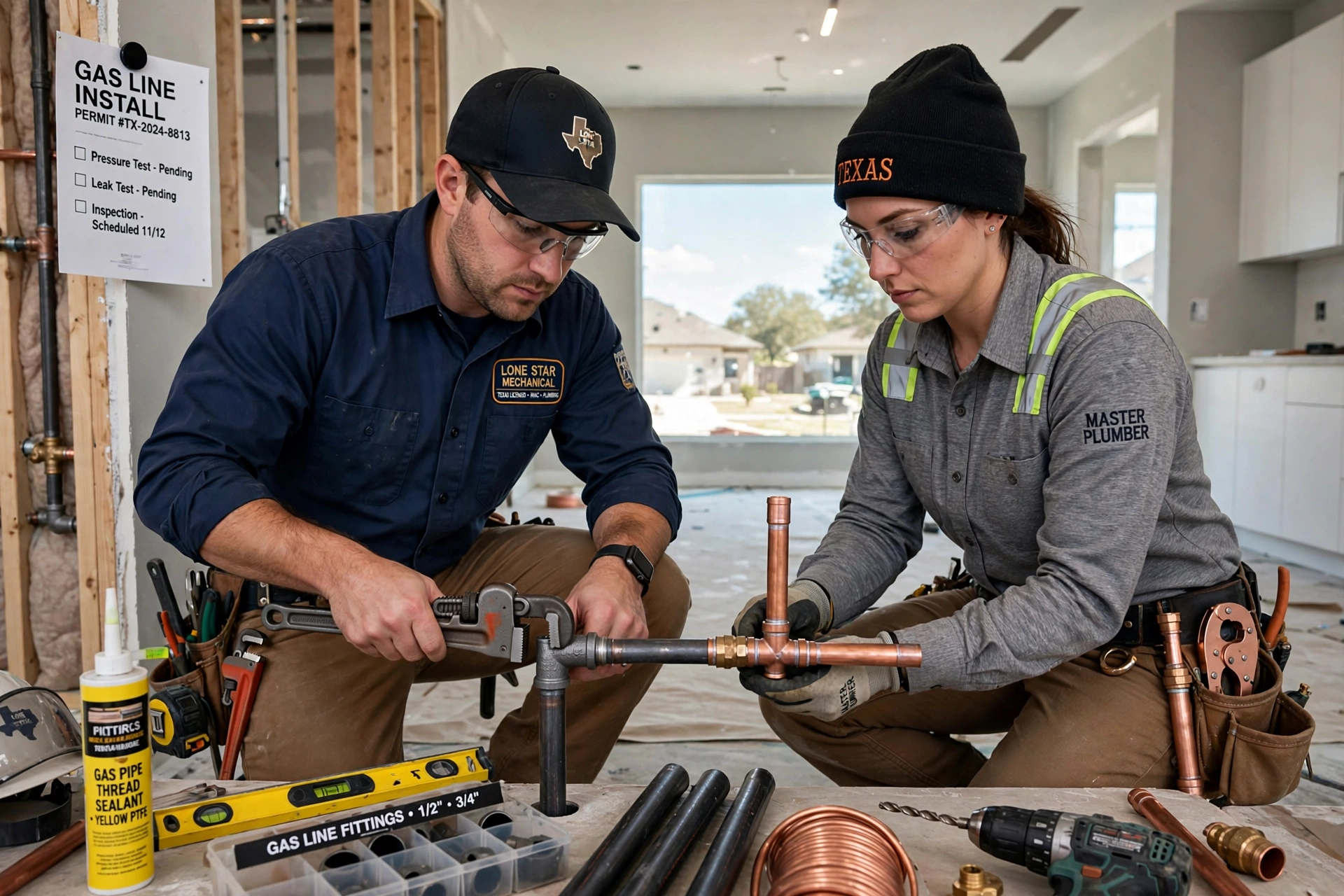
Yes. Commercial gas piping in Leander requires permits from the city's building inspections office, and the finished work must pass inspection. Commercial requirements are more extensive than residential, covering items like combustion air provisions and shutoff accessibility. We prepare the permit package, coordinate the inspections, and make sure the documentation file is complete.
My restaurant cannot afford to shut down. How do you handle that?
We plan the project around your operating hours from day one. Disruptive phases happen overnight or during your slowest windows, and phased installation means only part of the system is ever offline at once. For many restaurant projects, the staff arrives to a finished, tested system they never saw being built. You will have a written shutdown plan before we start, so you can staff and plan with confidence.
How often should a commercial building's gas system be inspected?
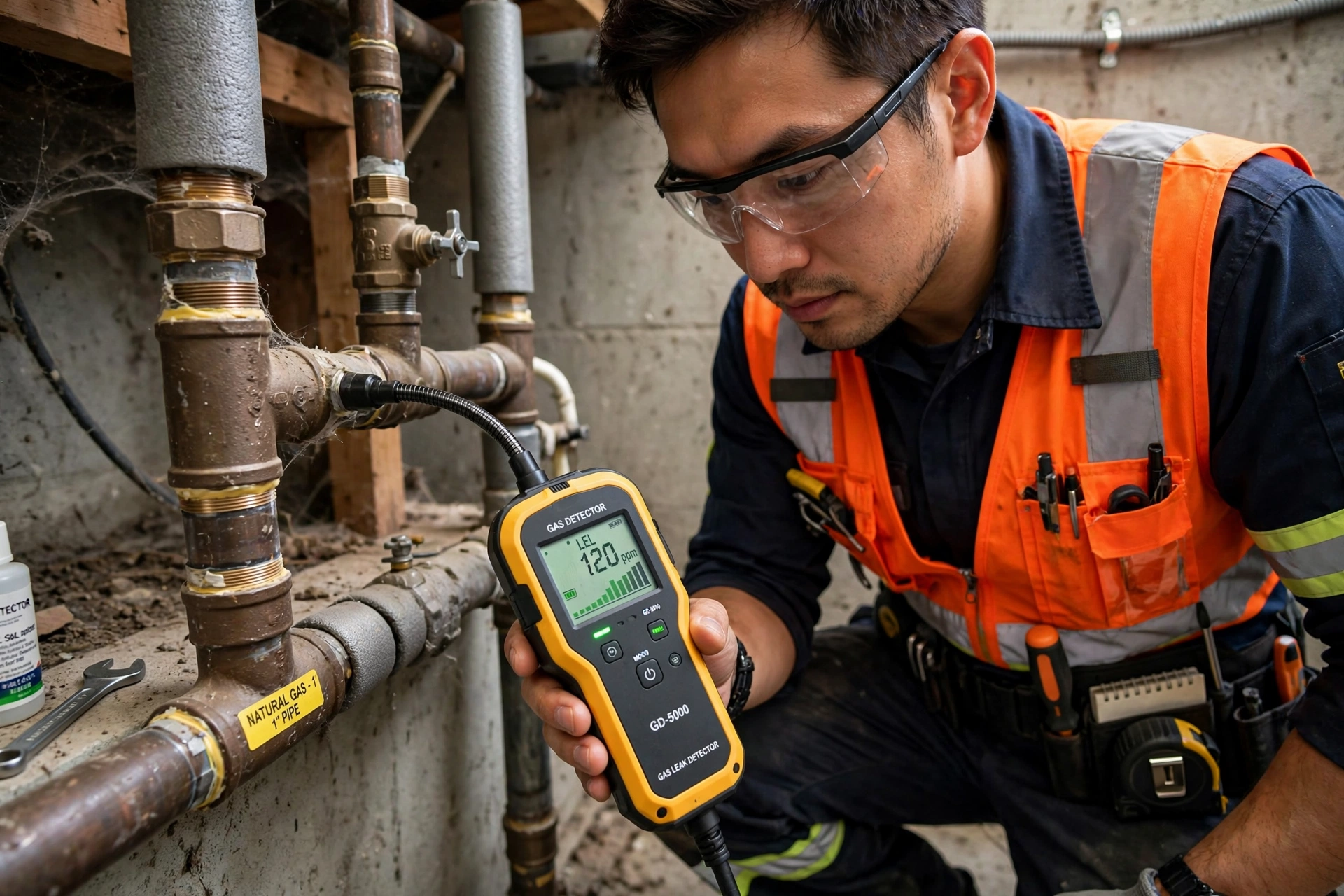
It depends on the system's age and use, but most commercial properties benefit from a professional inspection on a regular cycle — annually for high-use kitchens, less often for light-use office systems. Older buildings and properties changing hands should always be inspected. An inspection documents the system's condition with photos and prioritized findings, which is also valuable for insurance and property transactions.
We are adding new gas equipment. Do we need to upgrade the piping or meter?
Sometimes. Every appliance adds BTU load, and the existing pipe and meter were sized for the original lineup. We calculate the new total connected load from the equipment nameplates and check it against your current pipe sizing and meter capacity. If the system has headroom, we connect and verify. If not, we show you exactly what needs upsizing — pipe, regulator, or a larger service coordinated with the utility — before the equipment arrives.
Do you service multi-unit apartment or condo buildings?
Yes. Multi-unit properties have their own pattern: individual unit shutoffs, common-area equipment like boilers and pool heaters, and long distribution runs. We inspect and service these systems with consolidated reporting for property managers, and we coordinate access across units so the work disrupts as few residents as possible. Routine inspection programs across a portfolio turn gas maintenance into planned work instead of emergency calls.