Frequently Asked Questions
How often should home gas lines be inspected?
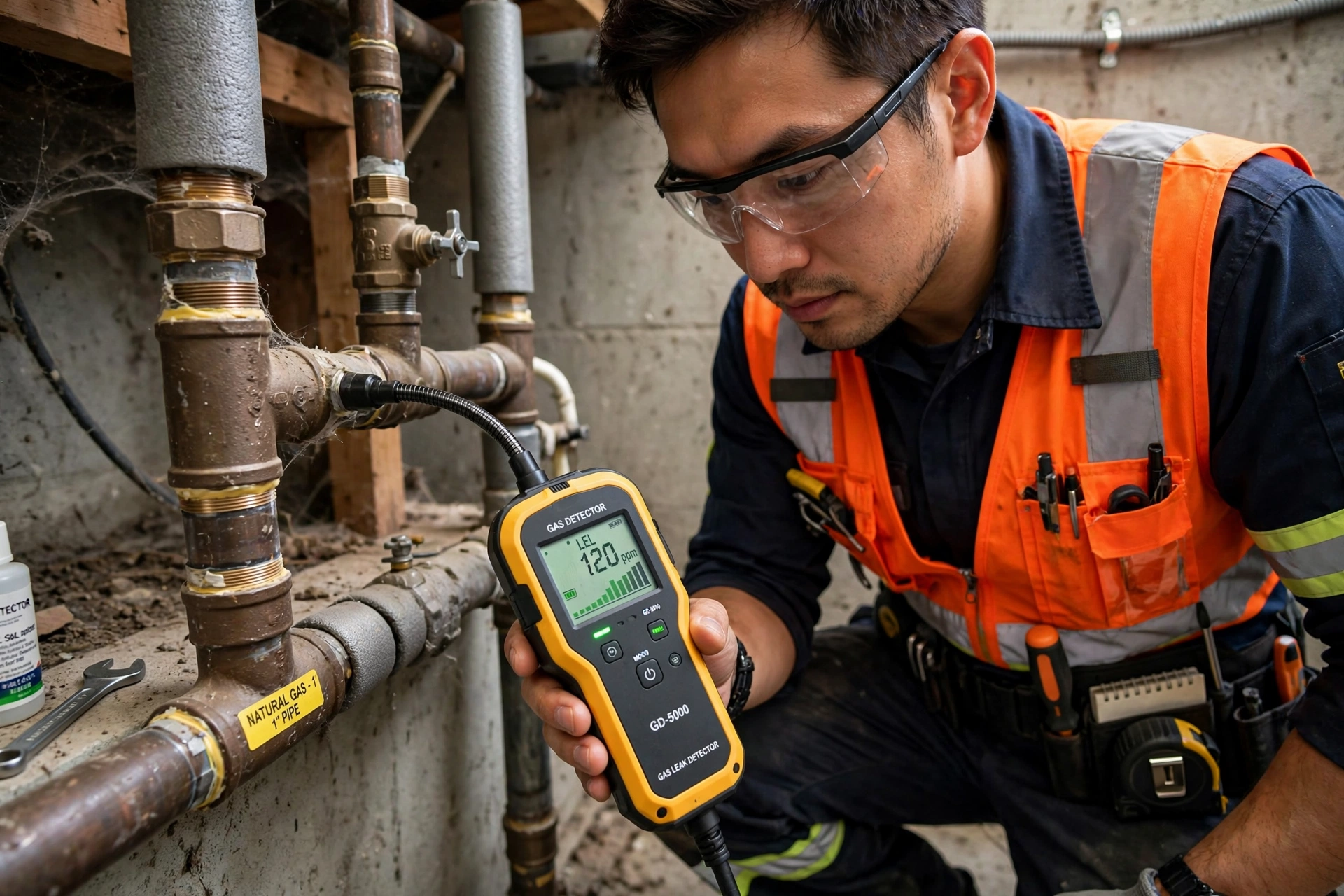
There is no universal schedule, but a sensible rhythm is a visual check of accessible piping every few years, plus a professional inspection with pressure testing every several years — or sooner if you notice warning signs like corrosion, appliance issues, or any leak symptoms. Homes with older steel piping or past leak history benefit from more frequent checks.
Do underground gas lines last longer than indoor ones?
Often, yes — but material is the deciding factor. Modern polyethylene lines buried underground are protected from physical damage and simply don’t corrode, giving them an excellent long-term outlook. Older buried steel is the opposite story: soil moisture and corrosive conditions attack it continuously. Indoor steel avoids soil but faces humidity and condensation — so ‘underground versus indoor’ matters less than ‘polyethylene versus aging steel.’
Which gas line material holds up best?
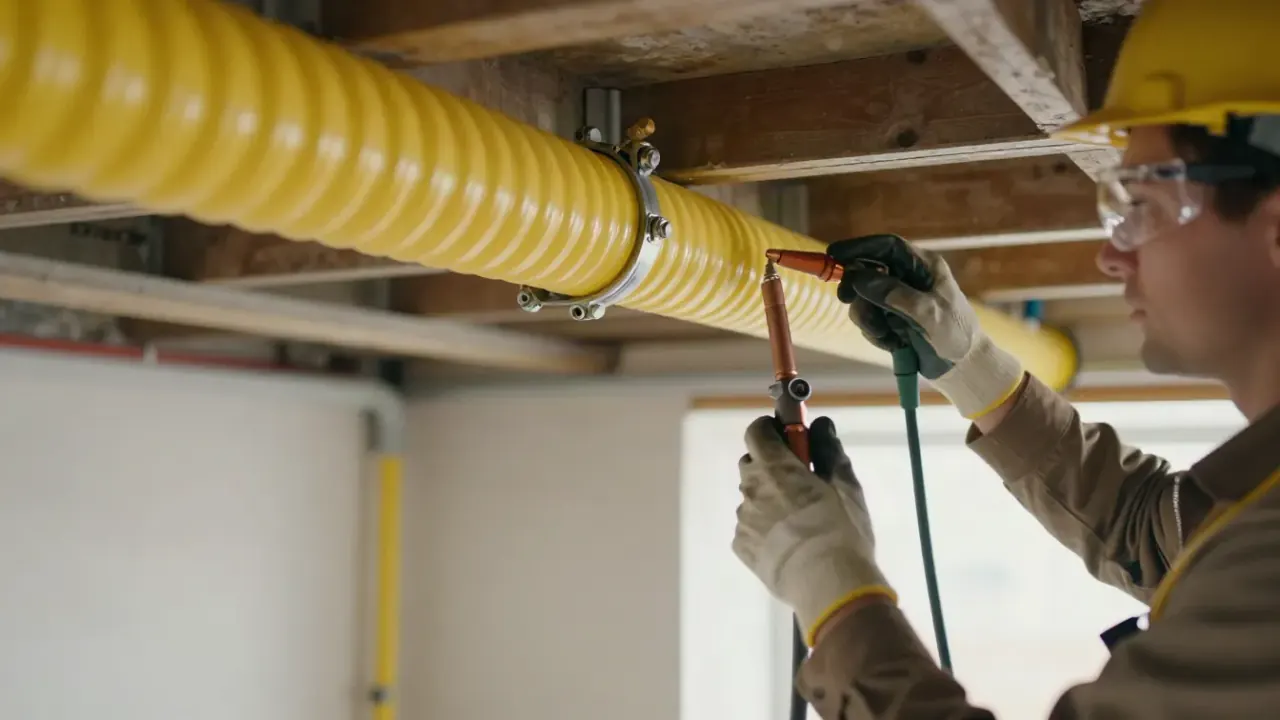
For buried exterior use, polyethylene is the modern answer — it simply does not corrode in soil. Indoors, both black steel and CSST serve well for decades when properly installed; CSST’s corrosion resistance and minimal joints give it an edge in damp locations. The best material is always the one correctly matched to its location, soil, and code requirements.
Can an old gas line be relined instead of replaced?
Gas lines are generally not relined the way some water or sewer pipes are. The standard practice is to cut out and replace compromised sections, or to replace the run entirely with modern material. Relining products designed for other utilities aren’t approved for fuel gas — when a gas line is done, replacement is the safe, code-compliant path.
Does Texas clay soil really affect how long gas lines last?
Yes, it can. The expansive clay soils common across the Austin metro — including Williamson County — retain moisture against buried pipe and move seasonally, stressing joints year after year. Combined with abrasive limestone and caliche in Hill Country areas, local soil is genuinely demanding. Proper material selection, bedding, and installation depth are how professionals account for it.
Who is responsible for the gas line on my property?
Generally, the utility owns and maintains the line up to and including the meter — that is their equipment and their responsibility. Everything after the meter — the house piping, appliance connectors, and any underground yard lines feeding outdoor appliances — belongs to the homeowner. If you’re unsure where the boundary is on your property, your gas utility can confirm it.