Frequently Asked Questions
Where is my main gas shutoff valve?
The main shutoff is usually at the gas meter — often on an exterior wall of the house or in a meter box near the street. It typically requires a wrench and a quarter-turn to close. Go find yours now, while nothing is wrong: check whether it moves freely or looks corroded, and keep a wrench accessible nearby. Remember, the utility owns the meter itself — but knowing where your shutoff is can save critical minutes.
Should I get a gas detector for my home?
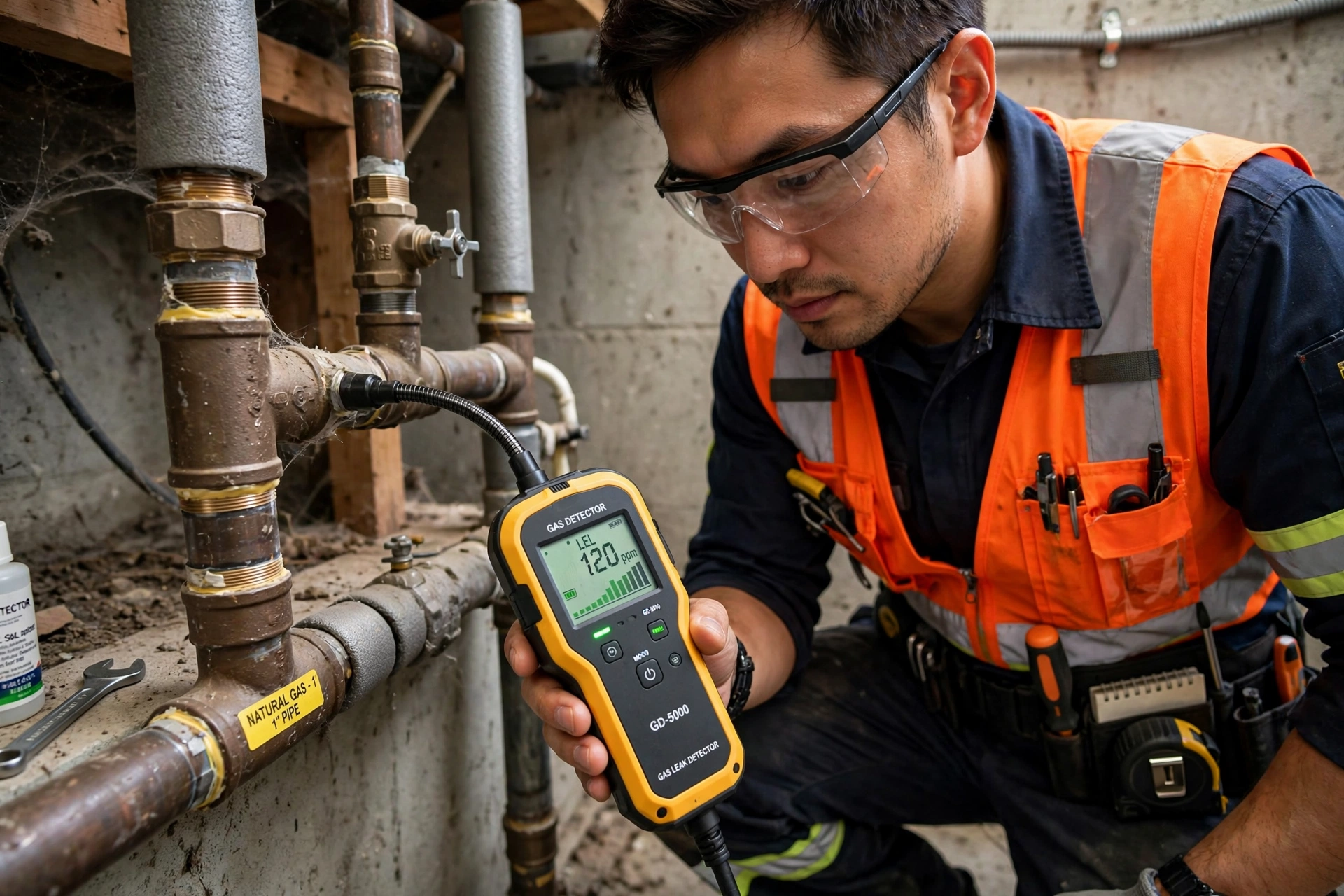
A combustible-gas detector adds a useful layer of protection, especially near the furnace, water heater, or in a utility room — it can catch a slow leak your nose misses, including odor-fade situations. Place them according to the manufacturer’s instructions, test them regularly, and remember they’re a supplement to, not a replacement for, CO alarms and your own senses.
Is it safe to use gas appliances during a power outage?
Many gas appliances — stoves, fireplaces, some water heaters — work fine without electricity, but anything with electronic ignition or powered venting may not. Never use a gas oven to heat your home, never bring outdoor grills or generators inside, and make sure CO alarms have battery backup. Texas’s February 2021 freeze showed how quickly improvisation during outages can turn dangerous.
What actually happens when I call 811?
811 is the national call-before-you-dig number. When you call or submit a request online, the notification goes to the utilities serving your address, and each sends a locator to mark their buried lines with paint or flags — usually within a couple of business days. The service is free, and in Texas it’s the law before digging. Then you dig carefully around the marks, hand-digging near them.
How often should gas appliances be professionally serviced?
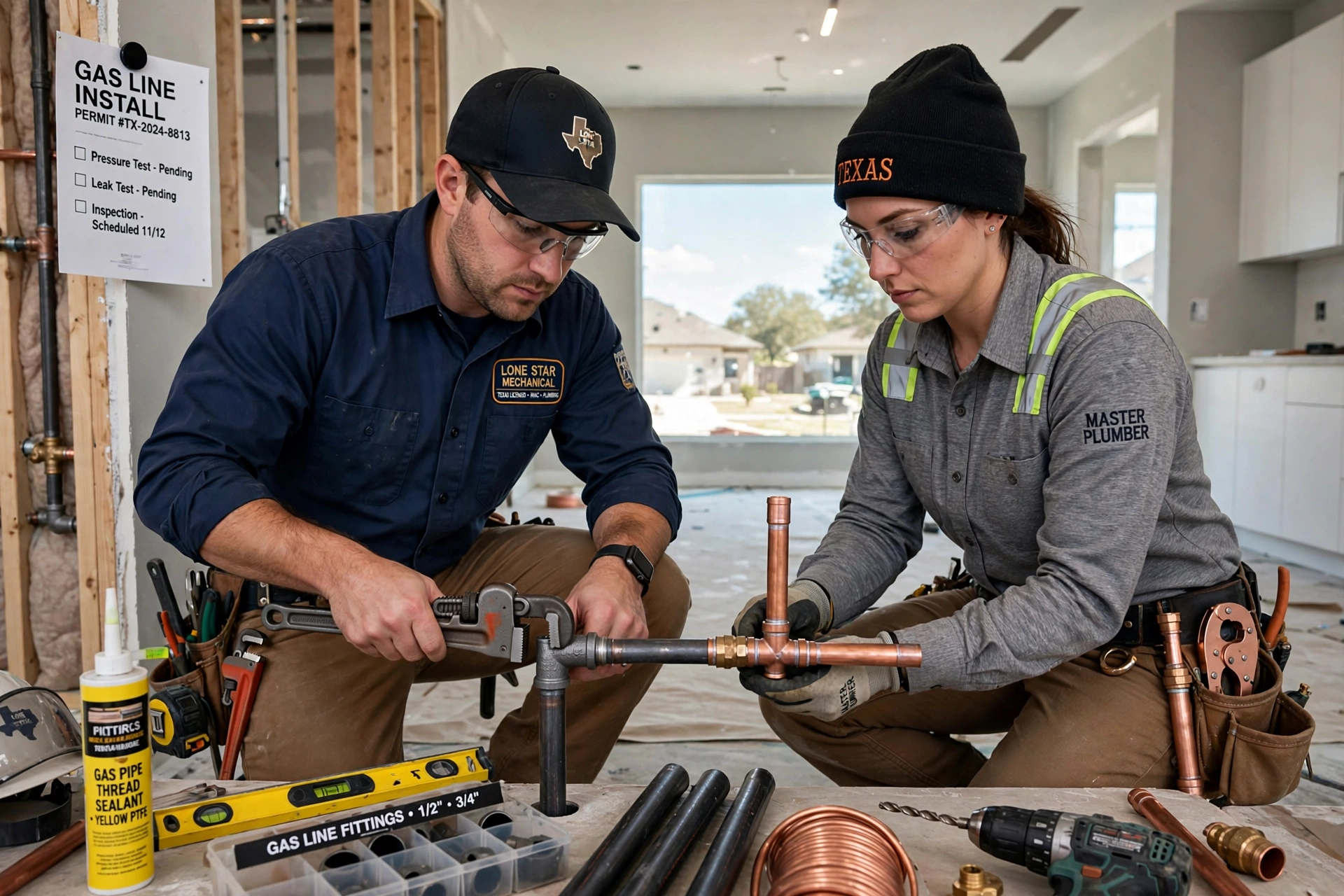
Follow the manufacturer’s guidance for each appliance, but a common rule of thumb is annual servicing for furnaces and fireplaces, and regular checkups for water heaters — ideally before the heating season, not during the first cold snap. Servicing keeps burners clean, vents clear, and combustion safe, which is also your best carbon monoxide prevention.
What should I do if I smell gas outside near the street?
Treat an outdoor gas odor the same way you would an indoor one: do not investigate the source, do not start vehicles or equipment nearby, and move away from the area. Call 911 or your gas utility’s emergency line from a safe distance. Outdoor leaks can come from the utility’s mains or service lines — their crews handle those — but your call is what gets them rolling.